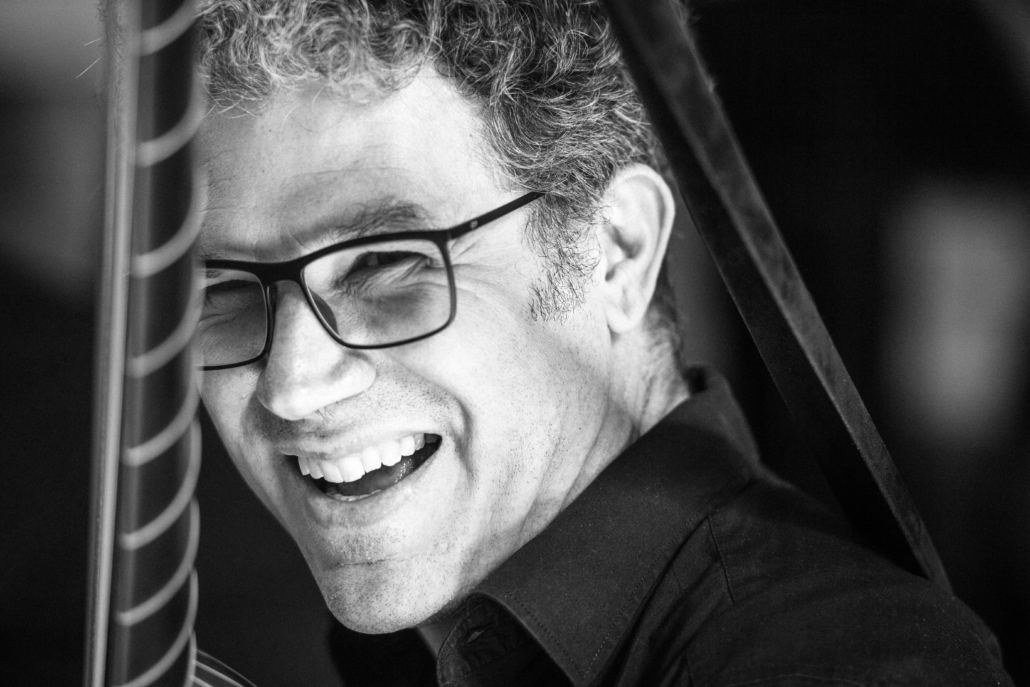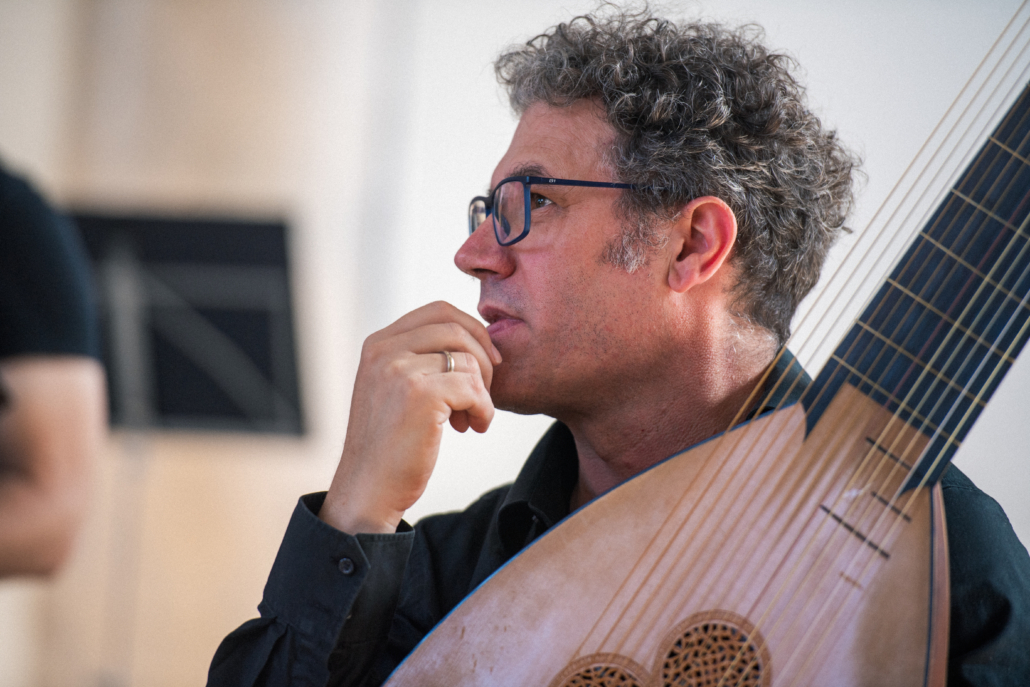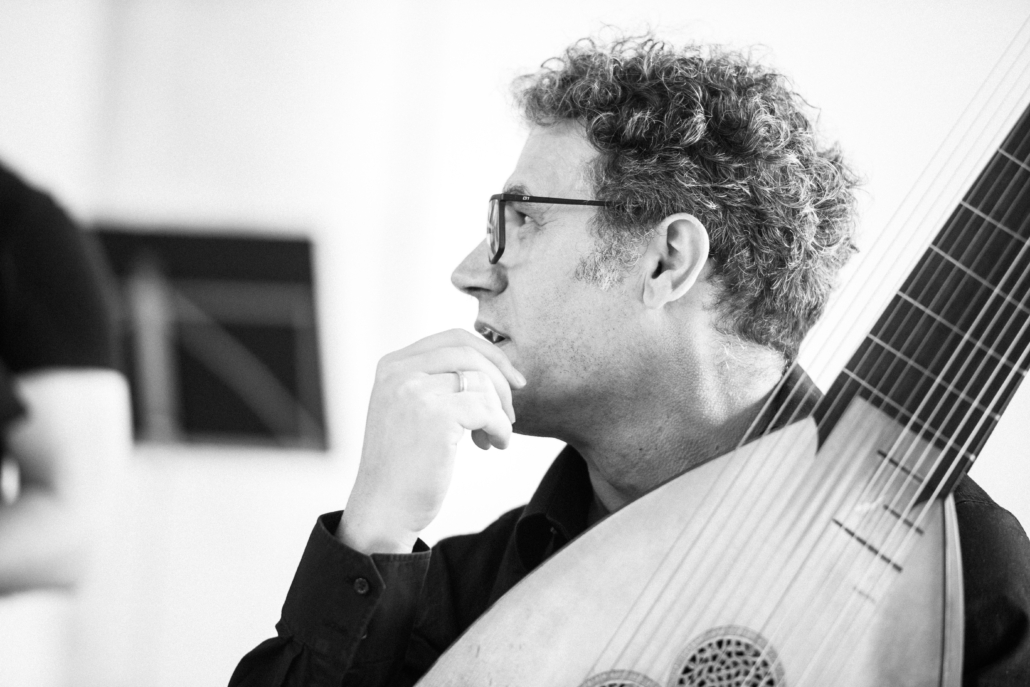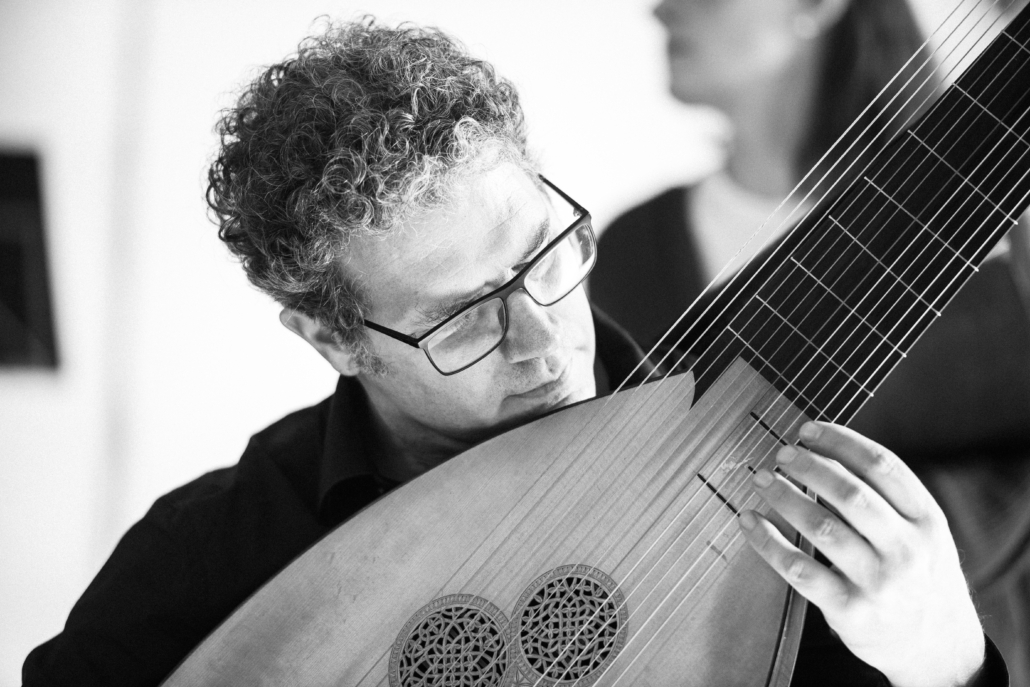
Playing the lute is an art that combines patience, curiosity, and passion.
Ever since my youth, I have taken great joy in teaching—from the very first steps all the way through professional training.
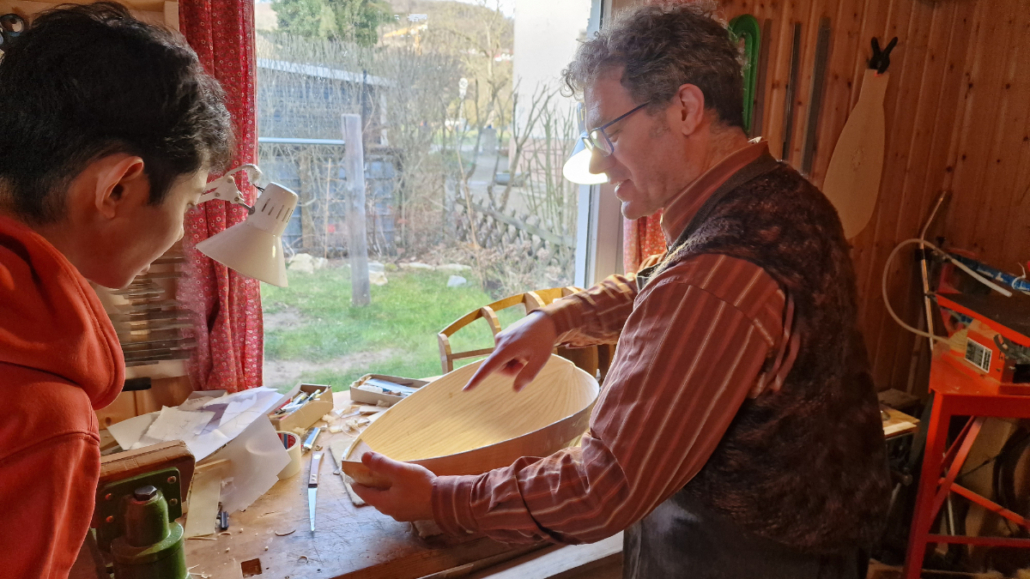
Today, I lead a lute class at the Schola Cantorum Basiliensis in Basel. There, I guide students from all over the world as they learn the lute, the theorbo, and figured bass. My teaching combines historical practice with the individual interests and abilities of each student. I am proud that several of my graduates now teach the lute themselves at conservatories.
In addition to my work in Basel, I regularly offer courses and master classes, for example at the Neuburg Summer Course for Early Music. These gatherings create opportunities for making music together, exchanging ideas, and gaining new inspiration—for students, advanced players, and lovers of early music alike.
Anyone interested in pursuing studies or participating in courses can find information in the “CONCERTS AND COURSES” section.
*** Translated with www.DeepL.com/Translator (free version) ***
Instrument Research
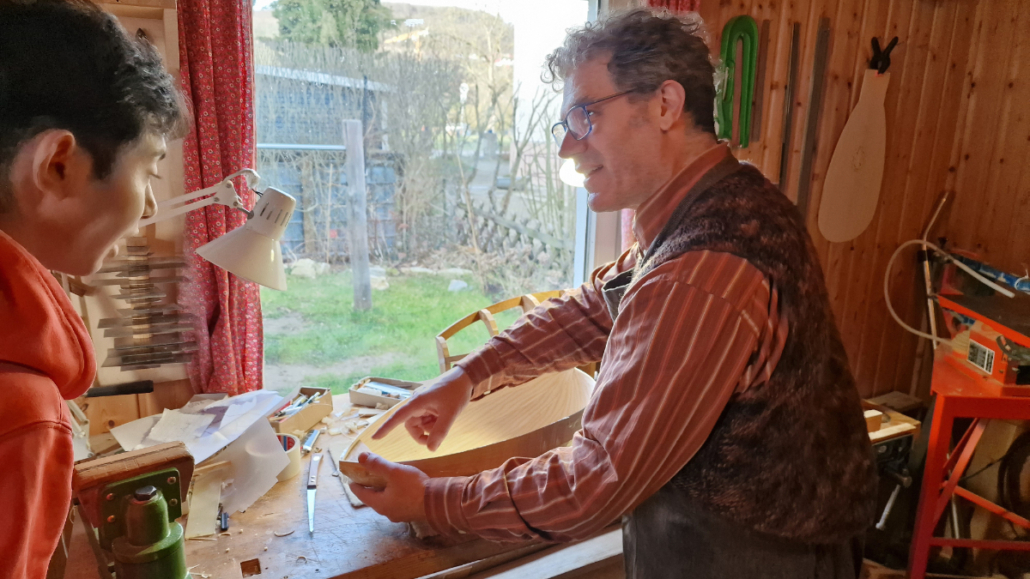
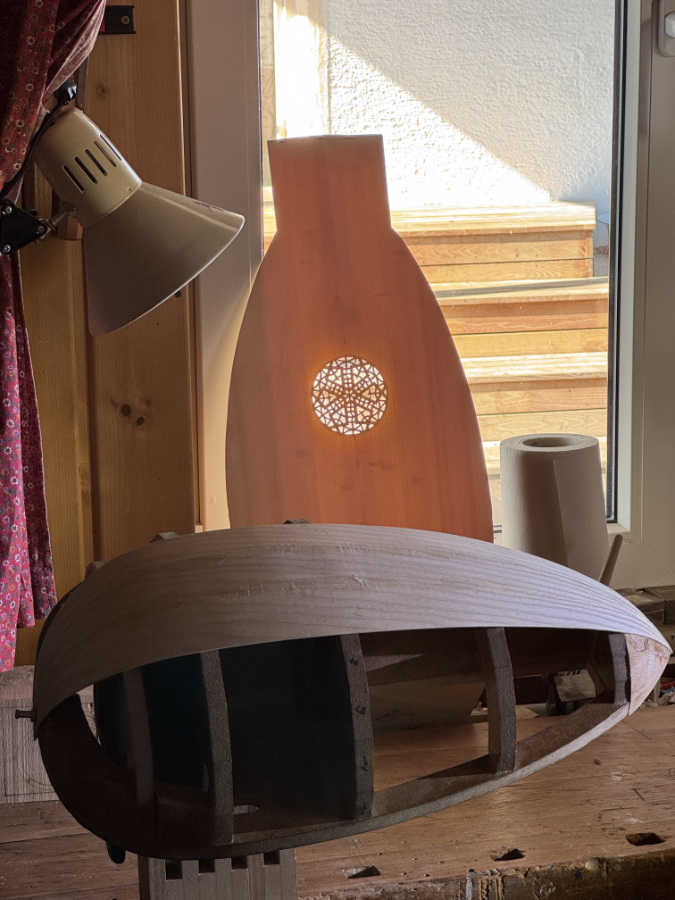
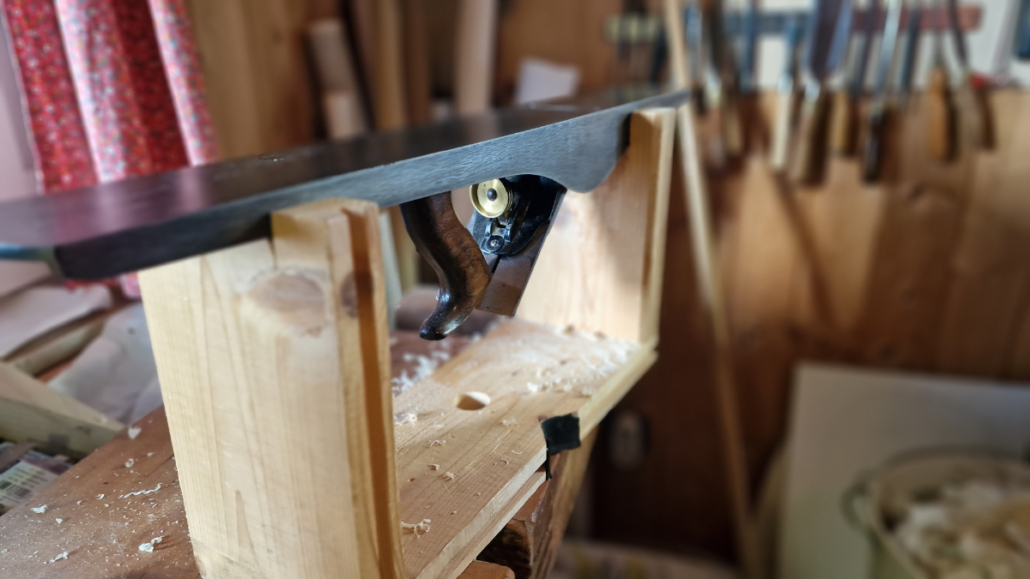
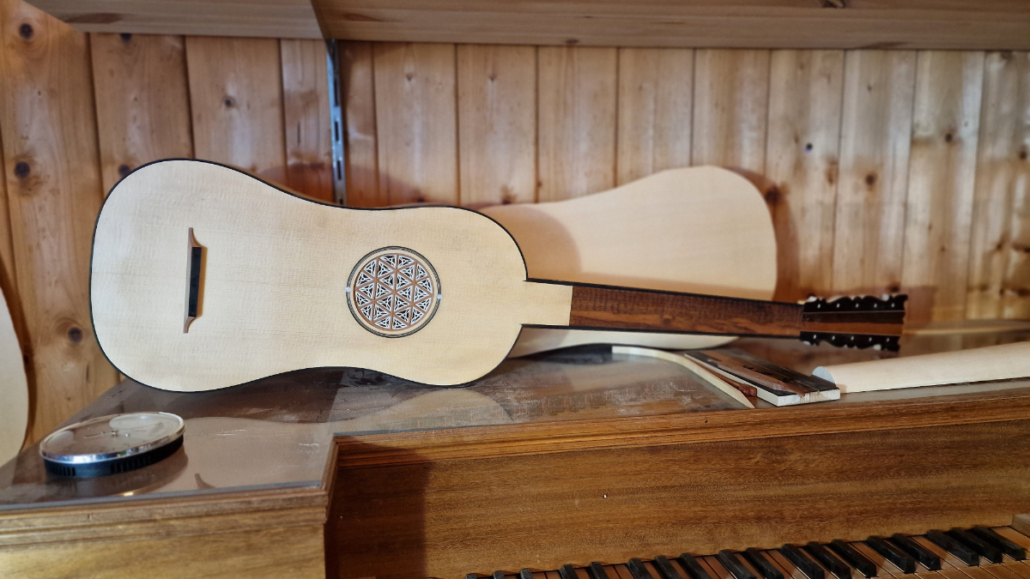
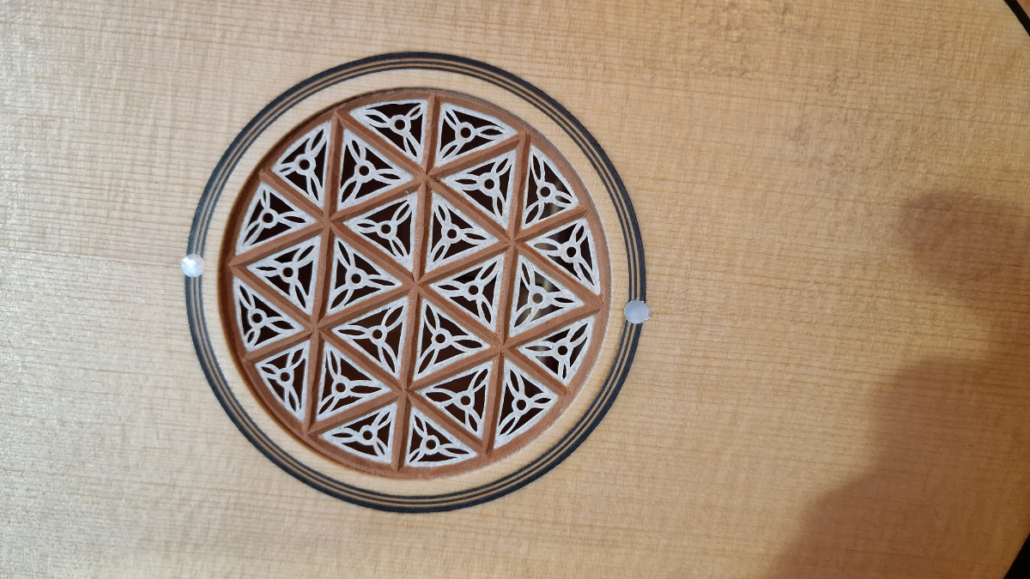
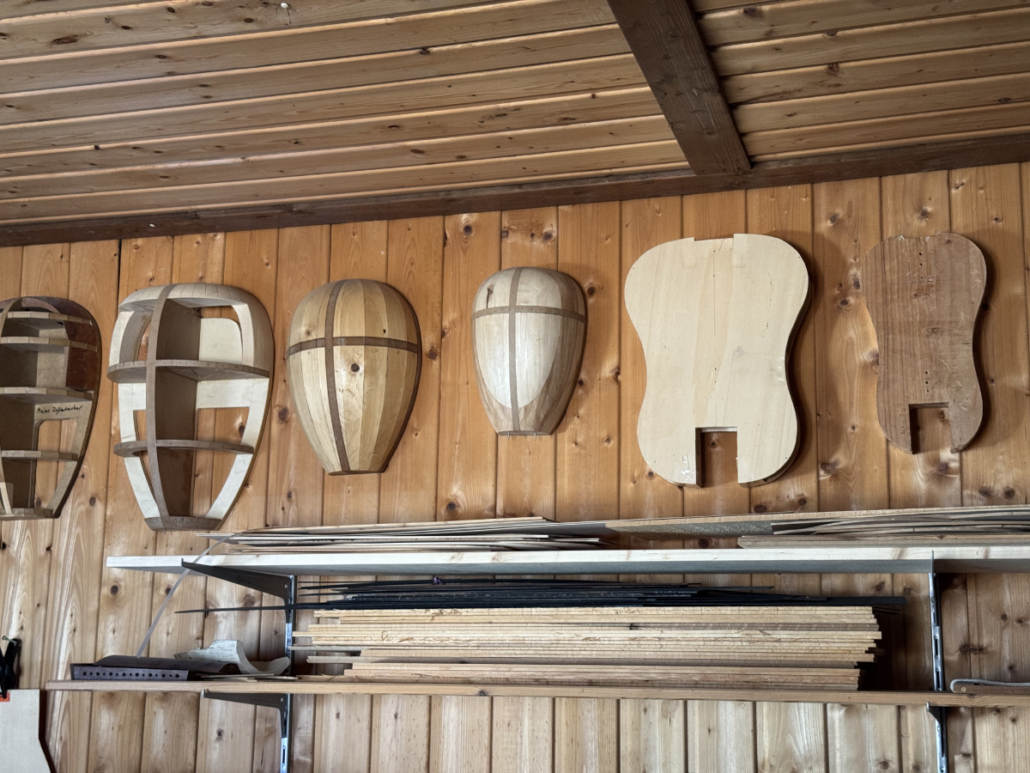
For more than twenty years, I have devoted myself to researching historical lute instruments. To this end, I have visited numerous museums where original lutes, guitars, and theorboes are preserved and on display. Time and again, I build instruments based on these models, then play them myself and examine their tonal and technical characteristics.
Since, unlike with some other instruments, there is no continuous tradition in lute-making, a high degree of experimental work is necessary. The basic principle of reconstruction is this: first, replicate the instrument as accurately as possible; then, draw conclusions about its sound, construction, and playability based on the resulting instrument.
I am particularly interested in rarely preserved types of instruments, which I recreate based on historical models, evaluate together with my students, and test through practical performance—always with the goal of gaining a deeper understanding of the historical instrument and its music.
Recent projects include an “English theorbo,” which was designed and reconstructed based on the few surviving illustrations, as well as a “tiorbino”—a small octave theorbo with a particularly bright, clear tone. A surviving example of this tiorbino, dating from 1628, is housed at the Musée d’art et d’histoire de Genève.
*** Translated with www.DeepL.com/Translator (free version) ***


News
My Upcoming Concerts & Classes
Discography
Videos